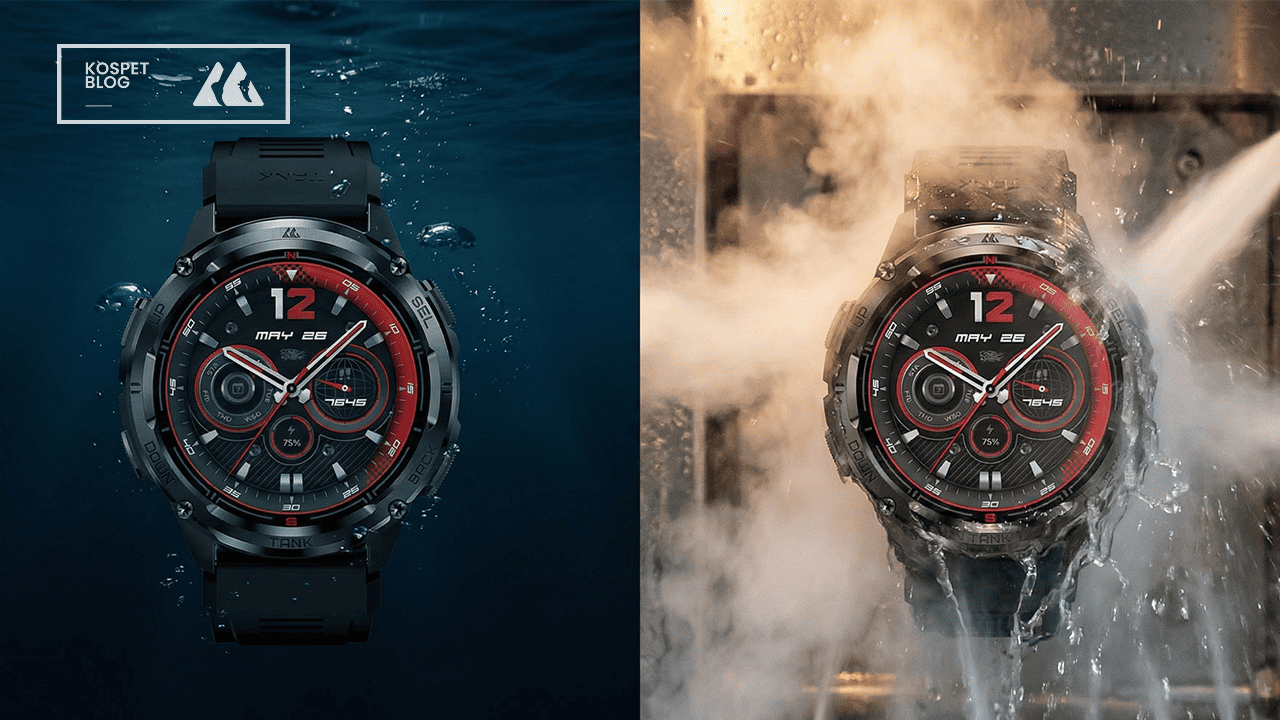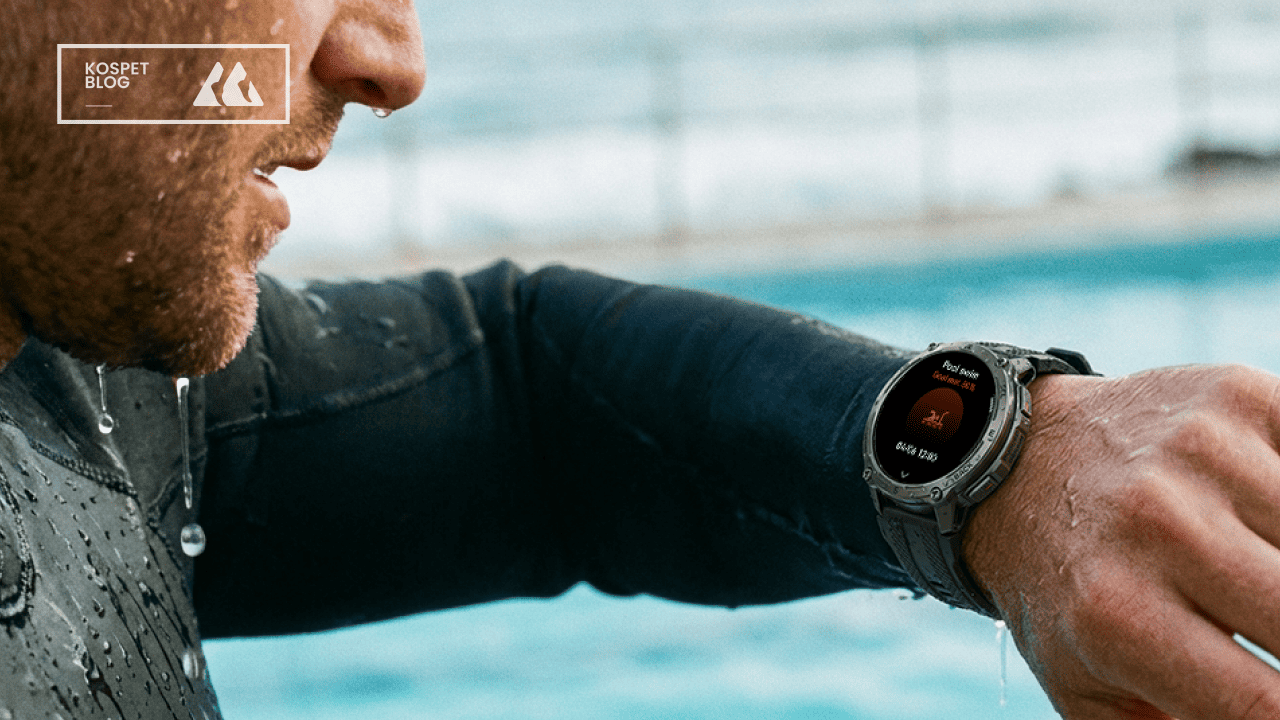

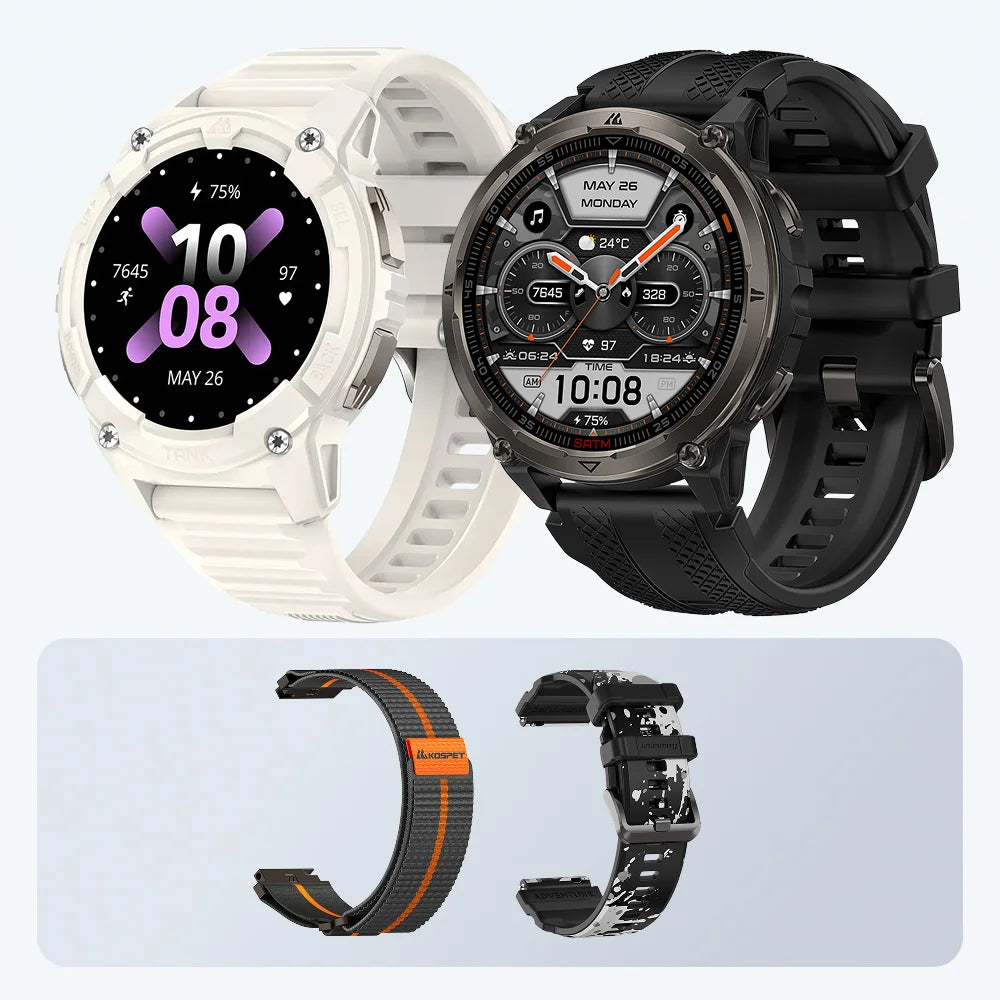
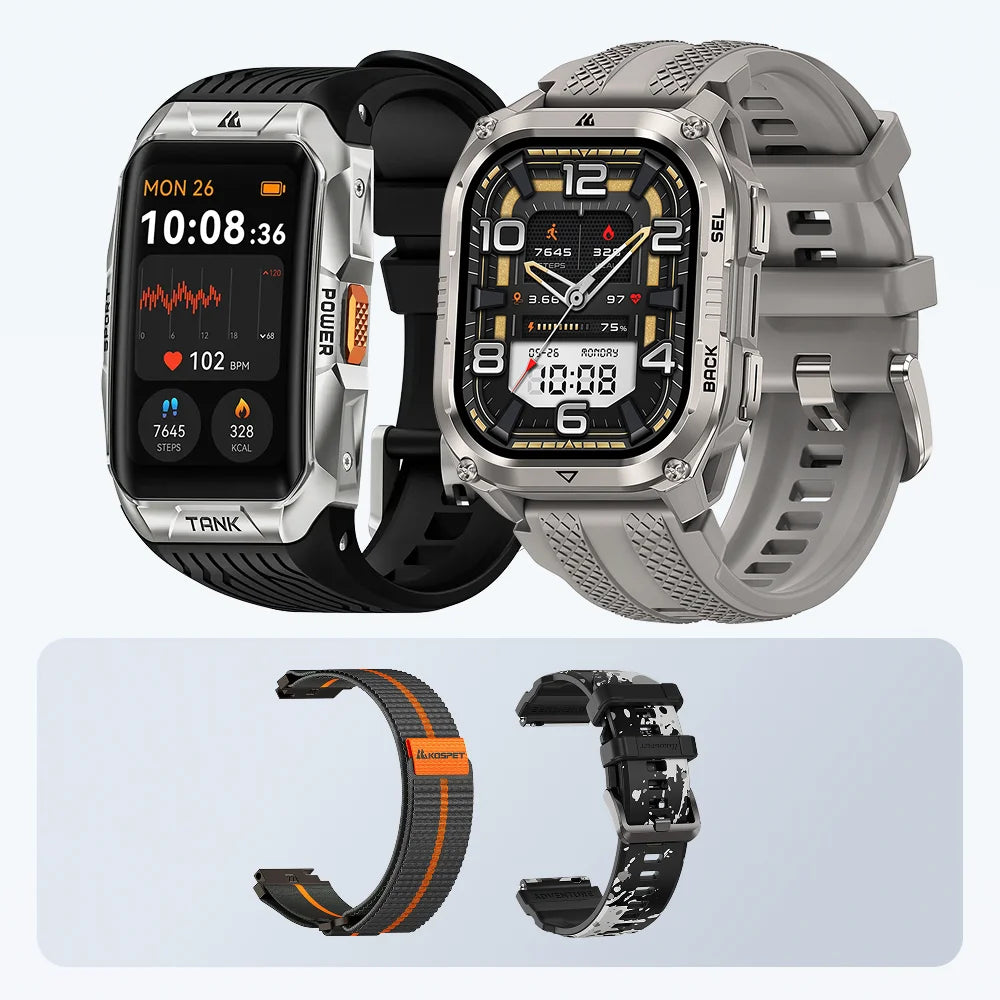
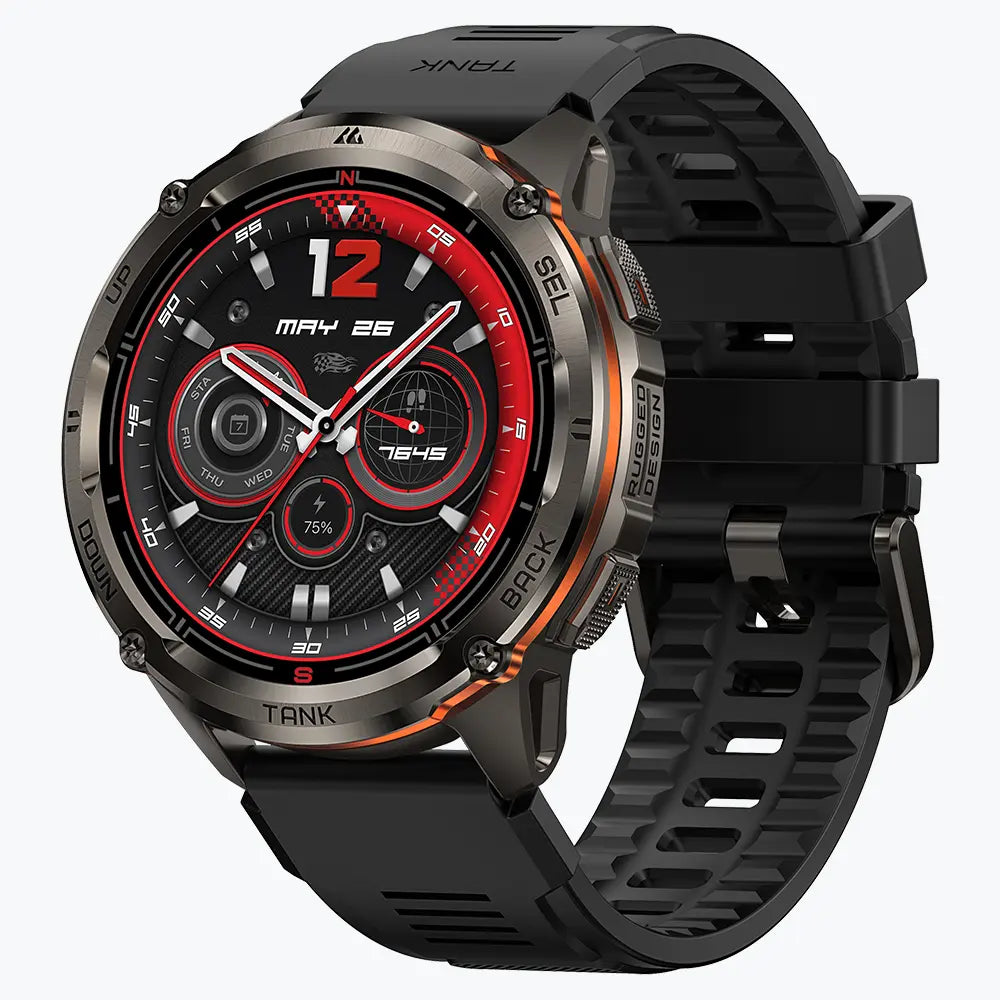
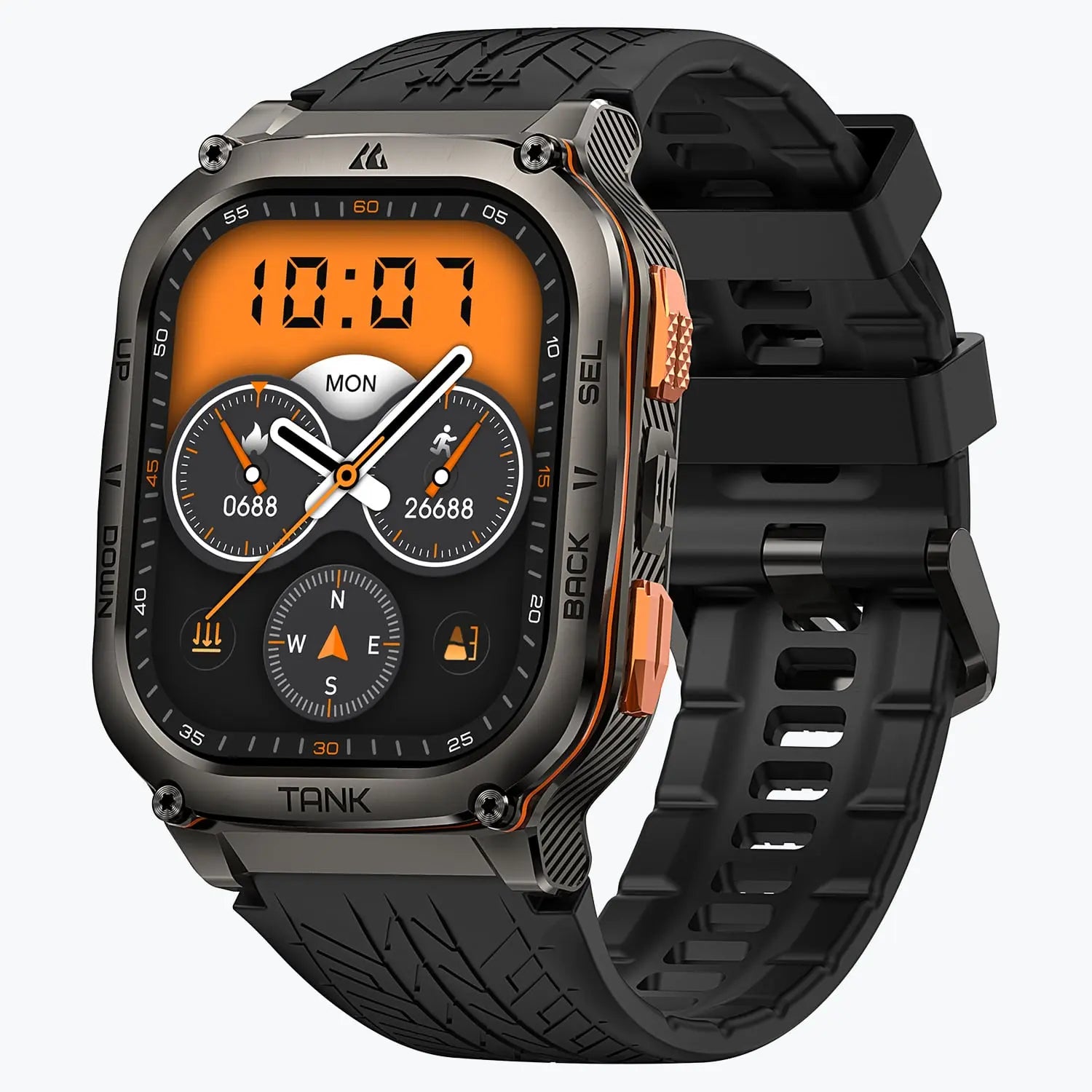
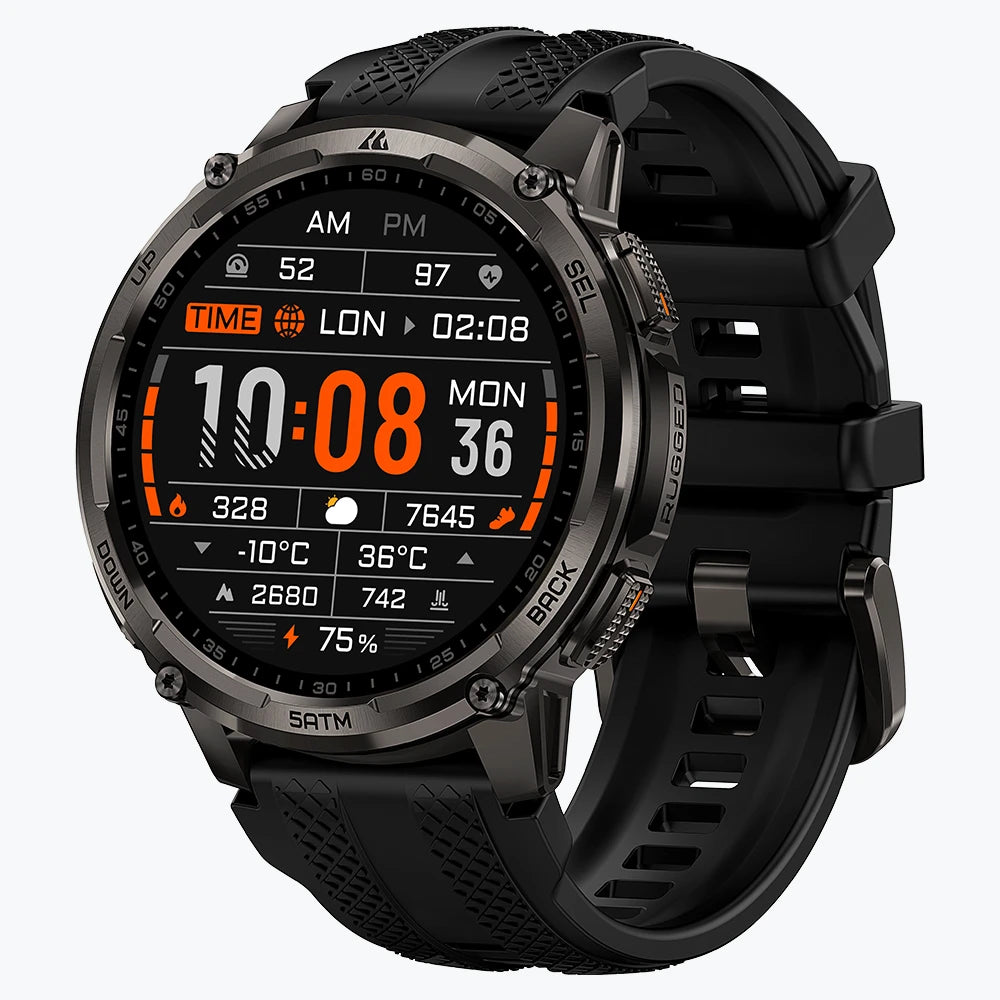
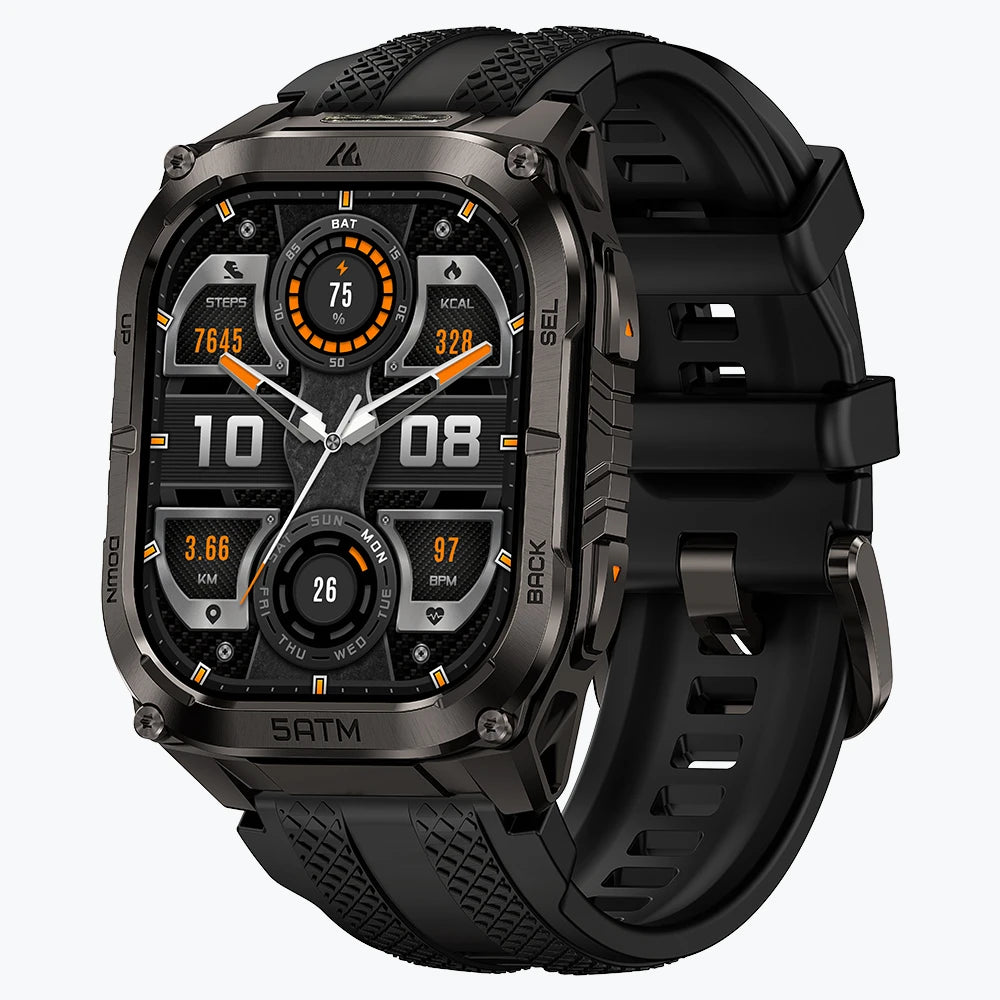
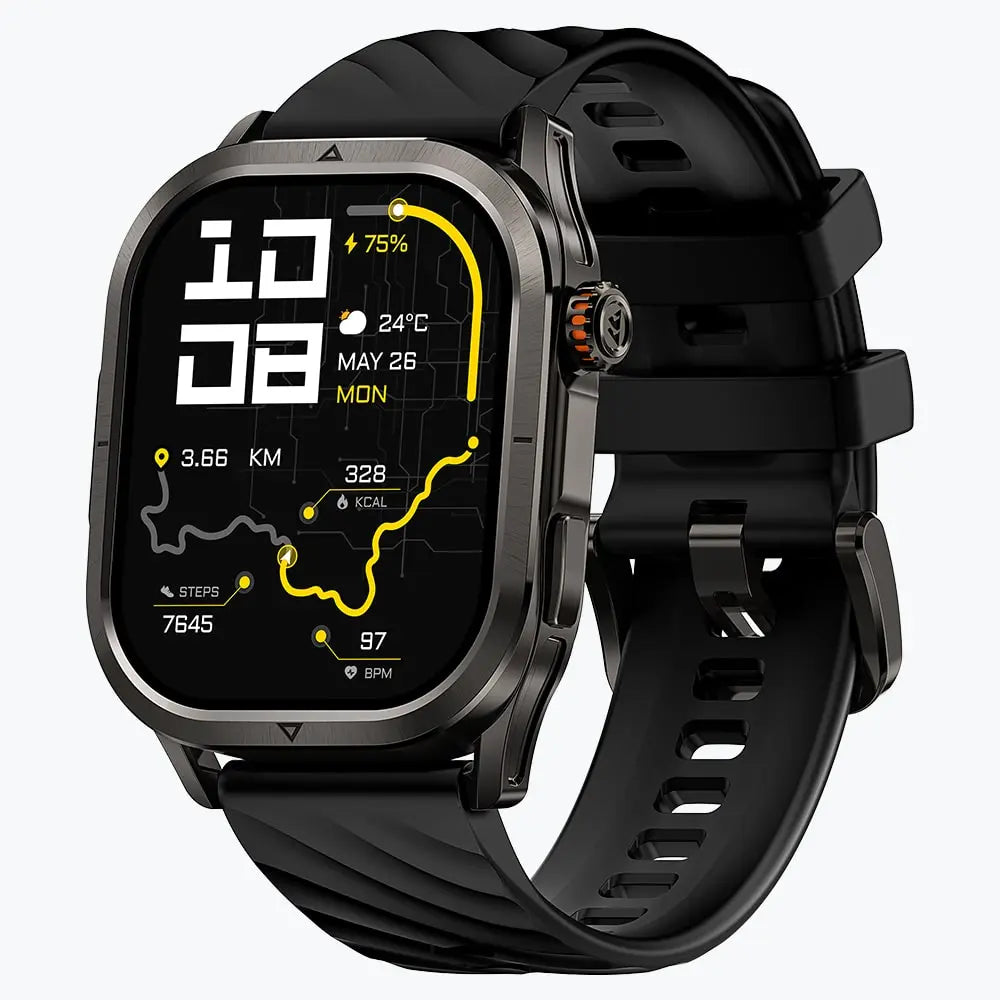


Smartwatch often use “waterproof” and “water-resistant” as if they mean the same thing. They do not.
“Waterproof” suggests that water cannot enter a smartwatch under any circumstances. “Water-resistant” describes protection within stated test conditions and usage limits. Since every smartwatch has limits, its ratings and instructions are more useful than the word “waterproof” alone.

Waterproof vs. Water-Resistant: The Key Difference
| Term | What it means for a smartwatch |
|---|---|
| Waterproof | A familiar product and search term, but not a promise of unlimited protection. |
| Water-resistant | Protection against water under stated pressure, activity and care conditions. |
A smartwatch described as waterproof may still have restrictions involving swimming, diving, hot water, underwater button use or operating depth. The term should be treated as a general description rather than a complete usage guide.
How Smartwatch Water Resistance Works
Water resistance depends on several parts working together:
- Gaskets around the case, display, buttons and crown.
- Adhesives and seals between case sections.
- Protective membranes over speaker and microphone openings.
- Case construction designed to resist water entry and pressure.
These barriers allow a smartwatch to handle the conditions it was designed and tested for. They do not make it permanently sealed against every type of water exposure.
Features such as Water Lock also serve a different purpose. Water Lock may prevent accidental screen touches or help clear water from the speaker, but it does not increase the smartwatch’s physical water resistance.
What to Check Instead of the Word “Waterproof”
Use the following information to understand what a smartwatch can actually handle:
| What to check | What it tells you |
|---|---|
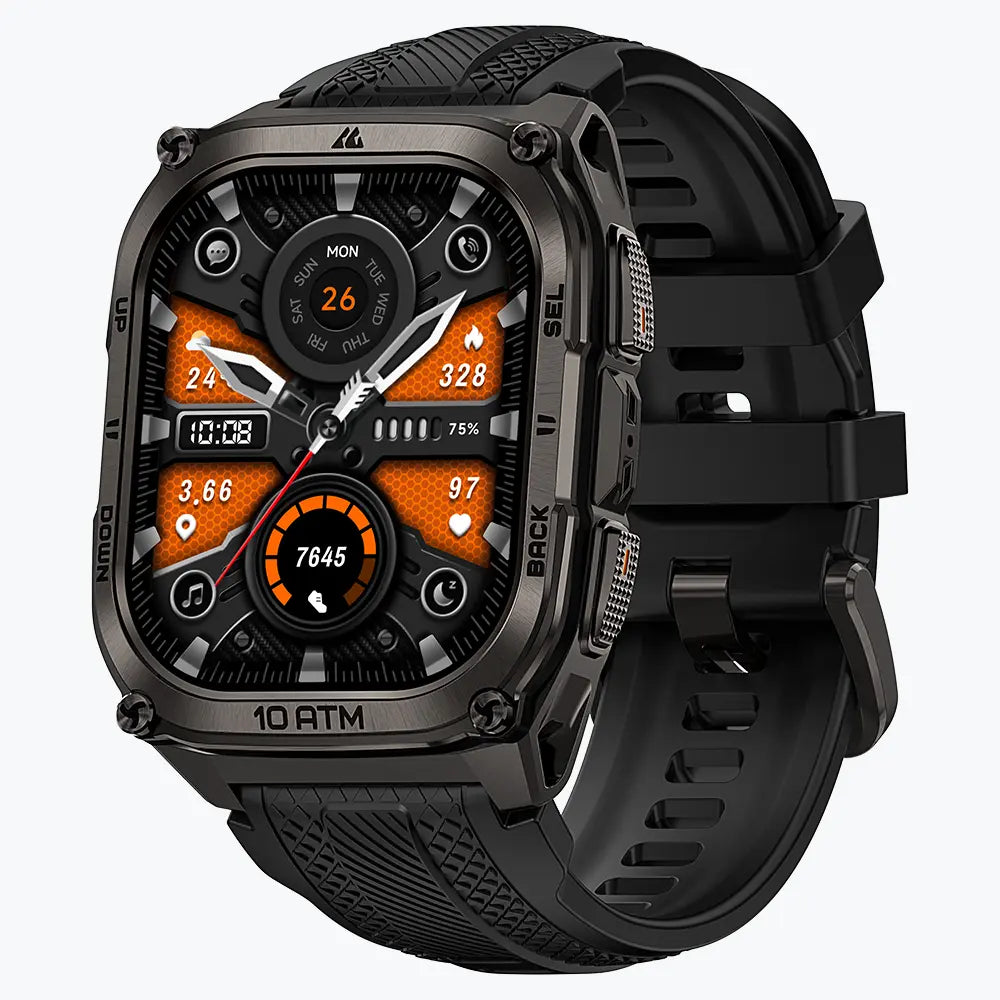
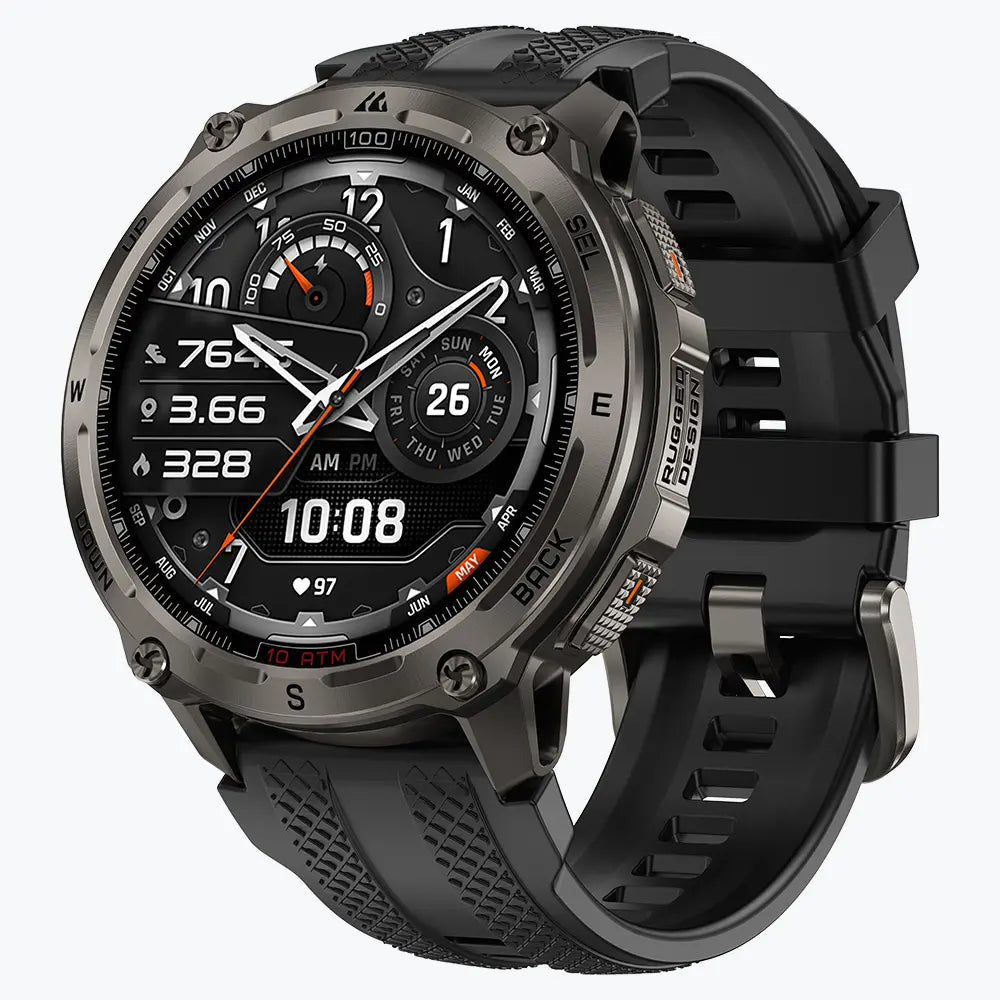
| ATM rating | Resistance to specified water pressure. A depth shown beside the rating is a laboratory pressure equivalent, not automatically a safe operating depth. |
| IP rating | How the enclosure resists dust and water under specific test conditions. |
| Supported activities | Whether the smartwatch is intended for swimming, snorkeling, surfing, diving or only everyday water contact. |
| Operating-depth limit | The real depth limit stated for underwater use, especially for a diving smartwatch. |
| Button and crown instructions | Whether physical controls can be used underwater. |
| Care guidance | What to do after exposure to saltwater, chlorine, heat or other substances. |
ISO 22810 covers testing and marking requirements for water-resistant watches. The IEC IP rating system classifies how enclosures resist solids and liquids. These systems measure different things, so one rating should not be used as a substitute for the other.
Why Water Resistance Can Change Over Time
A water-resistance rating describes the smartwatch under defined test conditions. Everyday use can gradually change its ability to keep water out.
Common causes include:
- Normal aging: Gaskets and adhesives may lose flexibility over time.
- Drops and impacts: Damage to the case, glass or joints may affect the seal even when no crack is immediately visible.
- Repairs or battery service: Opening the case can disturb the original seal.
- Heat and chemicals: High temperatures, soap and cleaning products may affect sealing materials.
- Saltwater and chlorine: Residue can collect around case joints, buttons and speaker openings.
If a smartwatch has been dropped, damaged or opened for repair, check its condition before using it in water again. Water resistance should never be treated as permanent.
One Rating Does Not Cover Every Water Activity
Two smartwatches with the same rating may have different usage instructions because their buttons, speakers, case construction and intended uses are different.
Before getting a smartwatch wet, find the exact activity in its instructions. Also check the operating-depth limit and underwater control rules. If the activity is not listed, do not assume the word “waterproof” or a single rating makes it suitable.
Find the Right KOSPET Water-Resistance Guide
This article explains the difference between waterproof and water-resistant. Use these guides for more specific questions:
- 5ATM vs. 10ATM for choosing between pressure ratings.
- IP68 vs. IP69K for comparing enclosure protection.
- Can You Wear a Waterproof Smartwatch in the Shower? for heat, steam and soap guidance.
- Diving with KOSPET for dive functions, depth limits and safety information.
FAQs
Does Water Lock Make a Smartwatch Waterproof?
No. Water Lock controls screen or speaker behavior around water. It does not change the physical seal or water-resistance rating.
Can a Water-Resistant Smartwatch Still Be Damaged by Water?
Yes. Damage can occur if the smartwatch is used outside its stated limits or if its seals have been affected by age, impact, heat or repair.
Should Water Resistance Be Checked After a Repair?
Yes. Any work that opens or affects the case may change the original seal. Check the repair guidance before using the smartwatch in water again.