


Choosing between a 5ATM and 10ATM smartwatch comes down to how you plan to use it in the water. For everyday exposure and surface swimming, 5ATM is usually enough. A 10ATM smartwatch provides more pressure resistance for frequent open-water use and higher-impact water activities, but the rating alone does not make a smartwatch suitable for scuba diving.
For diving, choose a smartwatch with dedicated dive modes, a published operating-depth limit and clear safety instructions.
Terminology note: “Waterproof smartwatch” is a common search term, but “water-resistant smartwatch” is more accurate because resistance is tested under defined conditions and can diminish over time. For a broader explanation, read Water-Resistant vs. Waterproof: How to Choose the Right Watch.

Should You Choose 5ATM or 10ATM?
| Your main activity | Better starting point | What you still need to check |
|---|---|---|
| Rain, sweat and hand washing | 5ATM | Follow the care instructions for the specific watch. |
| Pool swimming and surface laps | 5ATM | Check that swimming is included in the smartwatch instructions. |
| Regular open-water swimming | 10ATM for extra margin | Check ocean-use guidance, swim tracking and saltwater care. Some 5ATM smartwatches also support open-water swimming. |
| Surface snorkeling | Depends on the smartwatch; 10ATM offers more margin | Check the supported activities and depth guidance. |
| Surfing, water skiing and other high-velocity water sports | 10ATM | Check that the smartwatch is designed for high-velocity water exposure. |
| Freediving or scuba diving | A dedicated diving smartwatch | Check its operating depth, dive functions and safety guidance. ATM alone is not enough. |
| Hot showers, steam rooms and saunas | Neither | Heat, steam and soap can affect seals and acoustic membranes. |
For most people who swim in a pool, a 5ATM smartwatch is enough. Choose 10ATM if you regularly use your watch in open water or take part in more demanding water activities. If diving is part of your plan, evaluate the watch as diving equipment rather than relying on its ATM number alone.
What Do 5ATM and 10ATM Actually Mean?
ATM stands for “atmosphere,” a unit of pressure. In common watch-rating language:
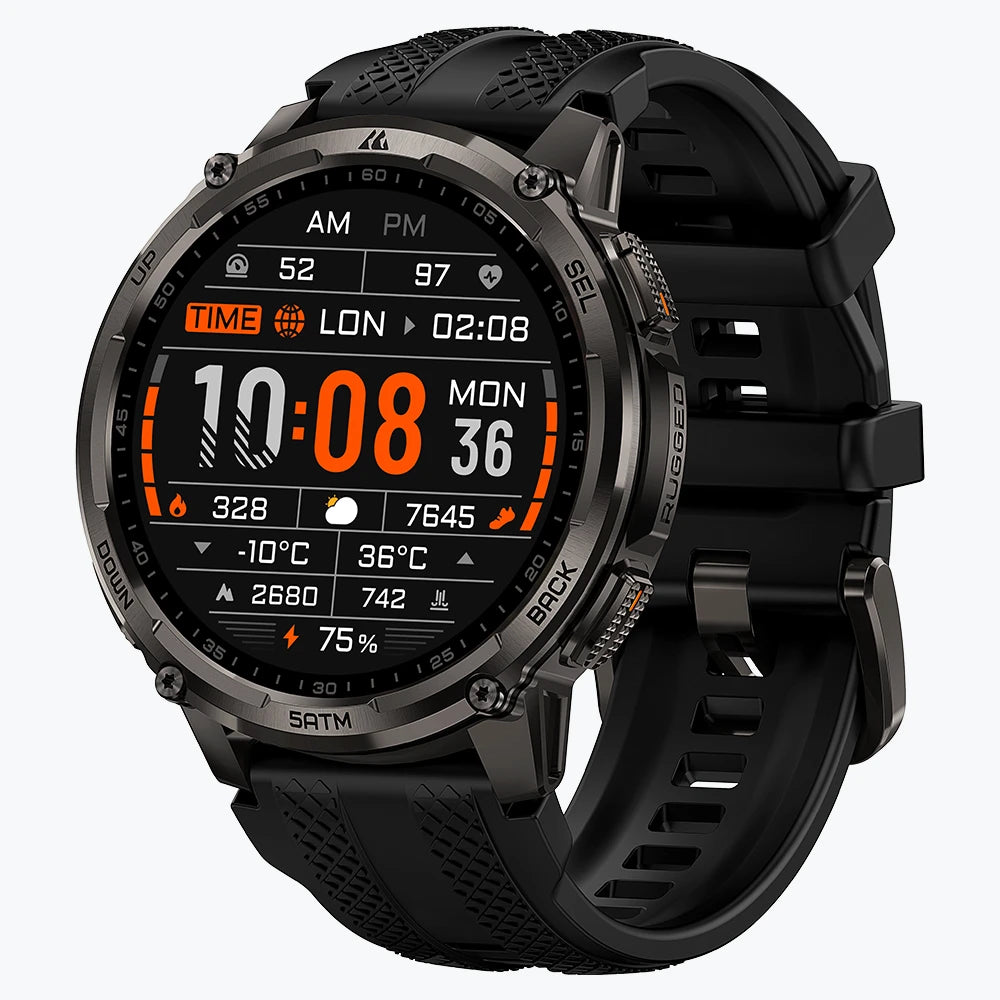
- 5ATM indicates resistance to test pressure commonly described as equivalent to approximately 50 meters of still water.
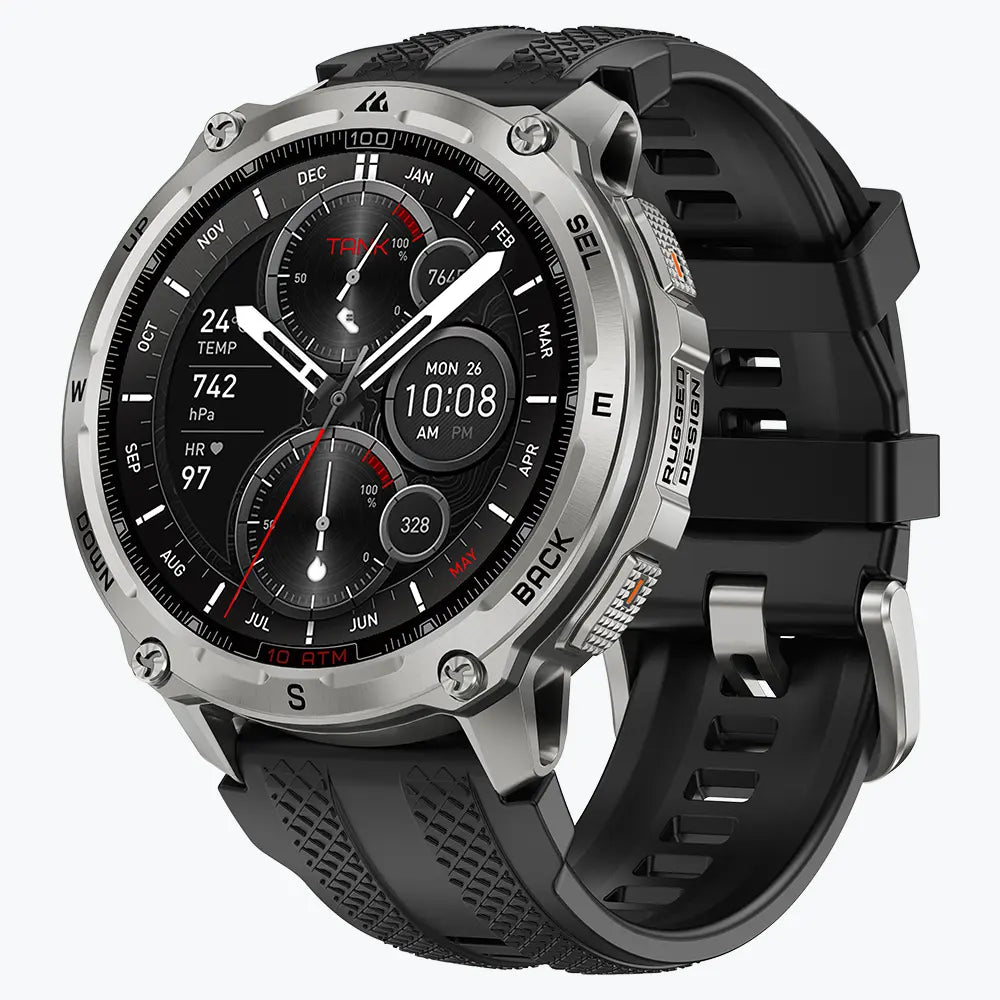
- 10ATM indicates resistance to test pressure commonly described as equivalent to approximately 100 meters of still water.
These figures describe laboratory pressure conditions. They are not promises that you can use a smartwatch at those physical depths.
ISO 22810 establishes requirements and test methods for water-resistant watches. Real use can differ from a controlled pressure test because water impact, fast movement, temperature changes, damaged seals, button operation and normal wear may all affect resistance.
That is why the activities and limits published for the exact smartwatch matter more than a generic “50-meter” or “100-meter” conversion.
Which Rating Fits Your Water Activities?
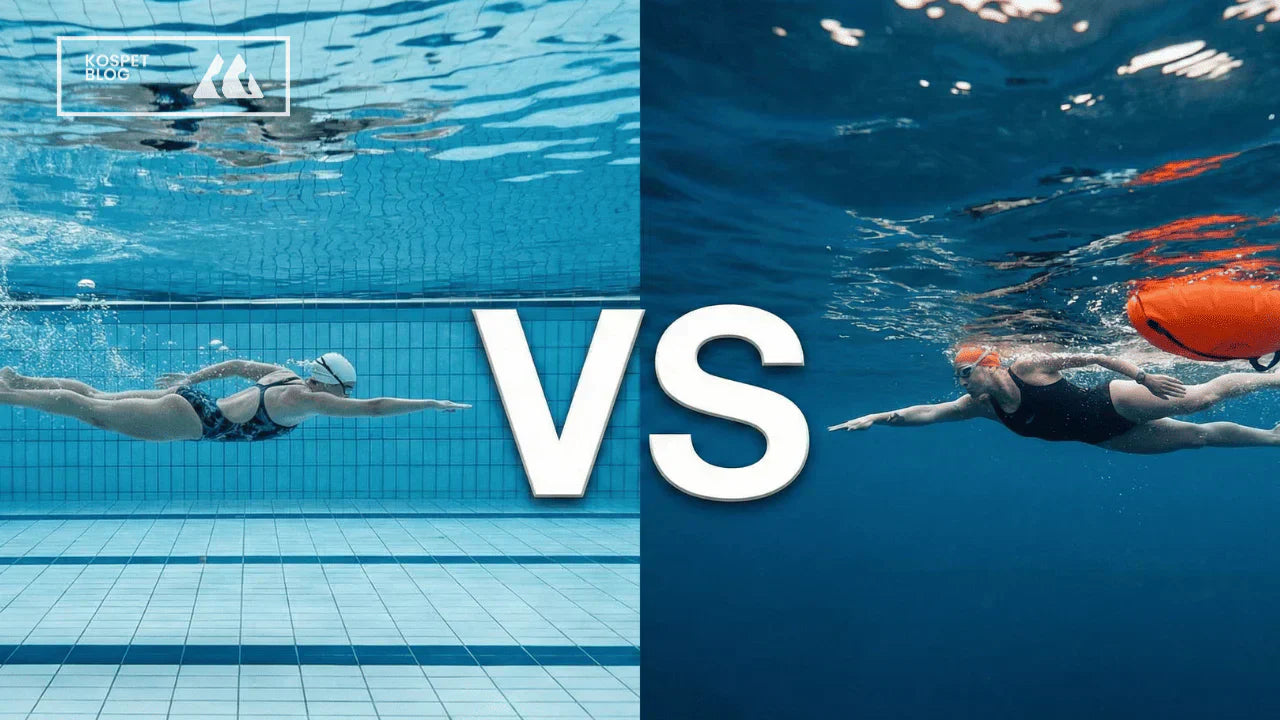
Pool and Open-Water Swimming
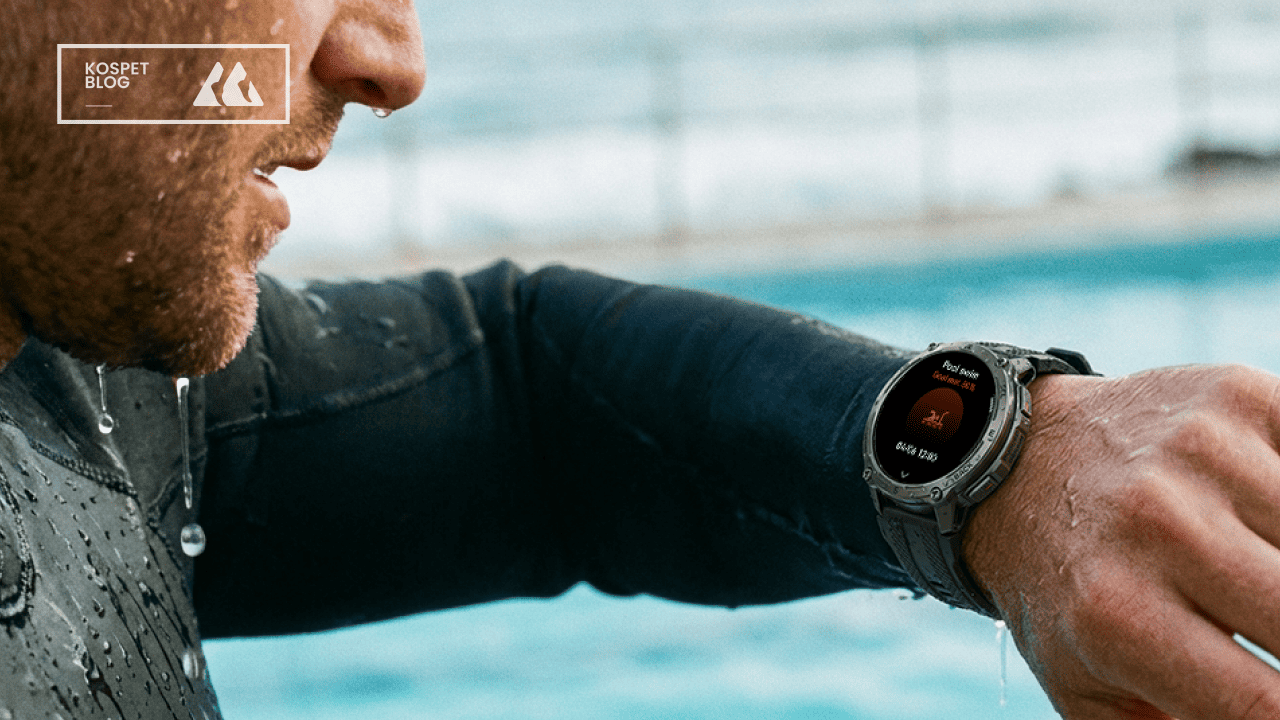
A 5ATM smartwatch is commonly suitable for pool swimming when swimming is included in its usage guidance. Many 5ATM sports watches include pool-swimming modes and can handle regular surface laps.
Open-water swimming does not automatically require 10ATM. Some 5ATM smartwatches support shallow-water swimming in both pools and the ocean. For example, Apple’s water-resistance guidance permits shallow-water pool and ocean swimming with its 50-meter-rated smartwatches, subject to product-specific restrictions.
However, 10ATM can be the more practical choice for frequent open-water use because it provides a larger pressure margin. Open-water swimmers should also consider GPS support, swim tracking, strap security and screen visibility rather than choosing by water rating alone.
Snorkeling and High-Velocity Water Sports
Snorkeling recommendations vary between smartwatches. Garmin’s water-rating guide includes snorkeling among the activities supported by its 5ATM category, while other brands use more restrictive guidance. A 10ATM smartwatch offers more margin, but you should still follow its stated depth and activity limits.
Surfing, water skiing, jet skiing and fast water entry can expose a watch to conditions that differ from calm-water swimming. For these activities, start with 10ATM and check that the smartwatch is designed for high-velocity water exposure. A generic 10ATM label does not mean that every smartwatch can be used in every high-impact water environment.
Freediving and Scuba Diving
A general 10ATM smartwatch is not automatically a diving watch. If you plan to freedive or scuba dive, look for:
- Clear support for your type of diving in the product guidance.
- A real operating-depth limit published separately from the ATM equivalent.
- Dedicated dive modes, alarms and relevant safety information.
- Clear instructions for setup, underwater operation and prohibited conditions.
Never treat “100 meters” beside a 10ATM rating as a safe diving depth. Follow the smartwatch’s operating limit, your training, your dive plan and local safety requirements. Carry the backup instruments recommended for your type of diving.
Which KOSPET 5ATM or 10ATM Smartwatch Fits You?
The table below focuses on the water-related differences that matter when choosing between KOSPET smartwatches.
| KOSPET smartwatch | Water rating and features | Best fit | Important limit |
|---|---|---|---|
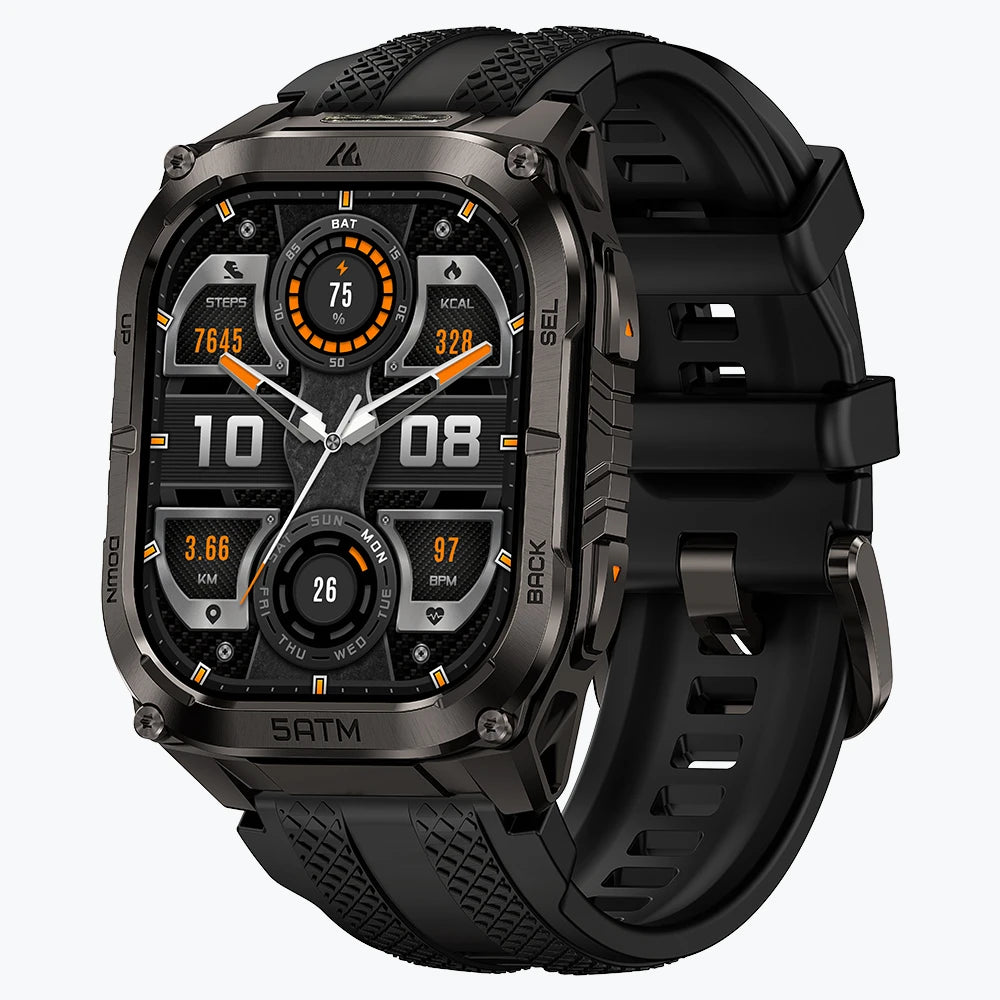
| TANK M3 ULTRA and TANK T3 ULTRA 2 | 5ATM and IP69K; include swimming metrics | Pool and surface swimming, hiking and general outdoor use | Their 5ATM ratings do not establish suitability for diving. |
| TANK T4 and TANK M4 | 10ATM and IP69K; include freedive, scuba and gauge modes | Frequent water activities and recreational diving within the stated limits | Follow KOSPET’s recommendation to use the watches within 40 meters. |
Choose the TANK M3 ULTRA or TANK T3 ULTRA 2 if your most demanding water activity is surface swimming. Their 5ATM rating meets the more relevant requirement without adding dive features you may not need.
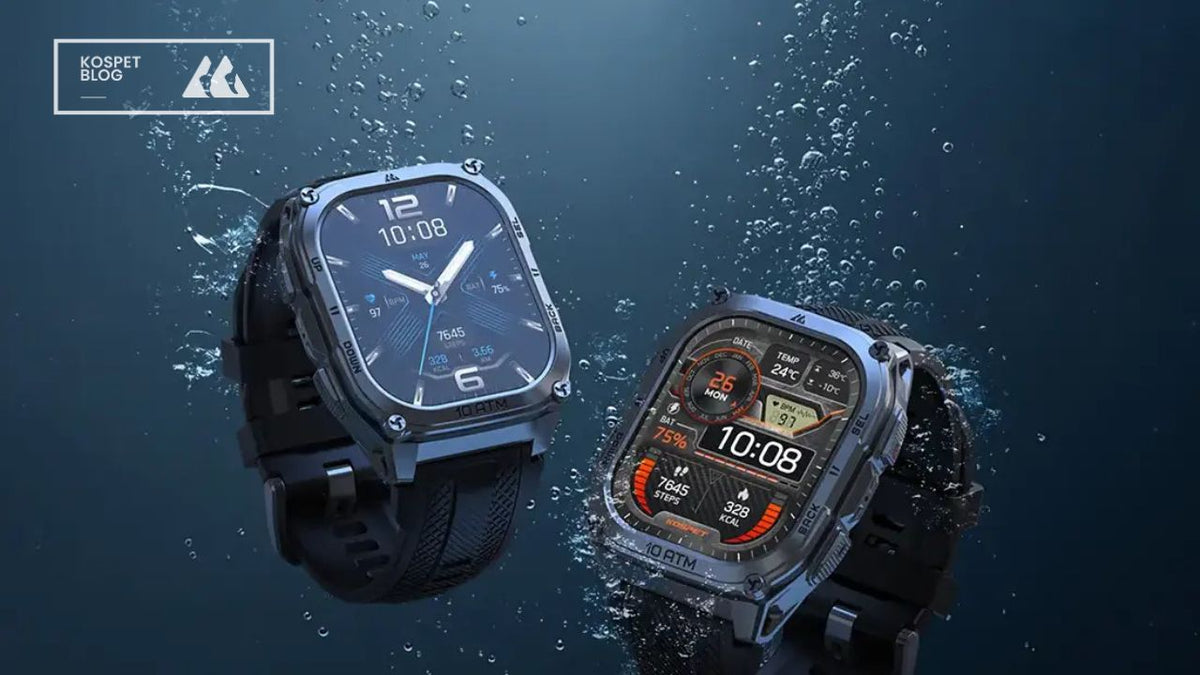
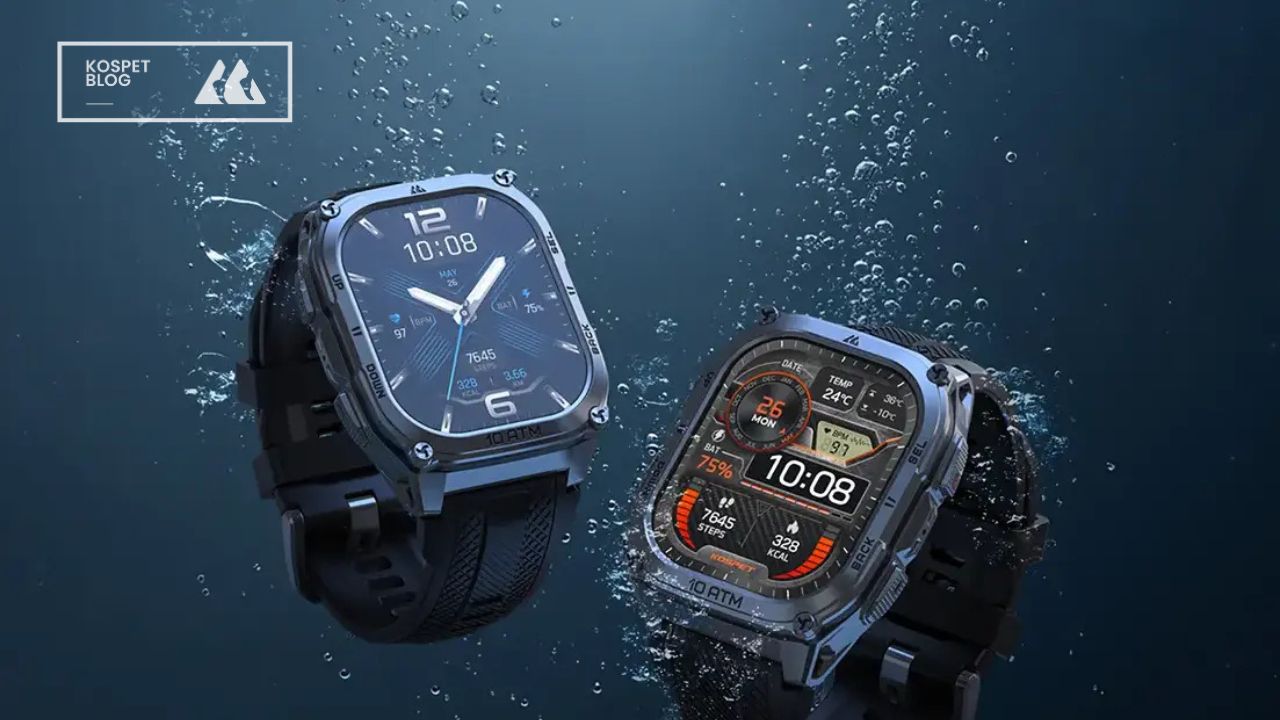
Choose the TANK T4 or TANK M4 if you need 10ATM resistance and dedicated dive modes. KOSPET’s diving safety guidance recommends using both smartwatches within 40 meters and carrying backup depth, pressure and timing equipment.
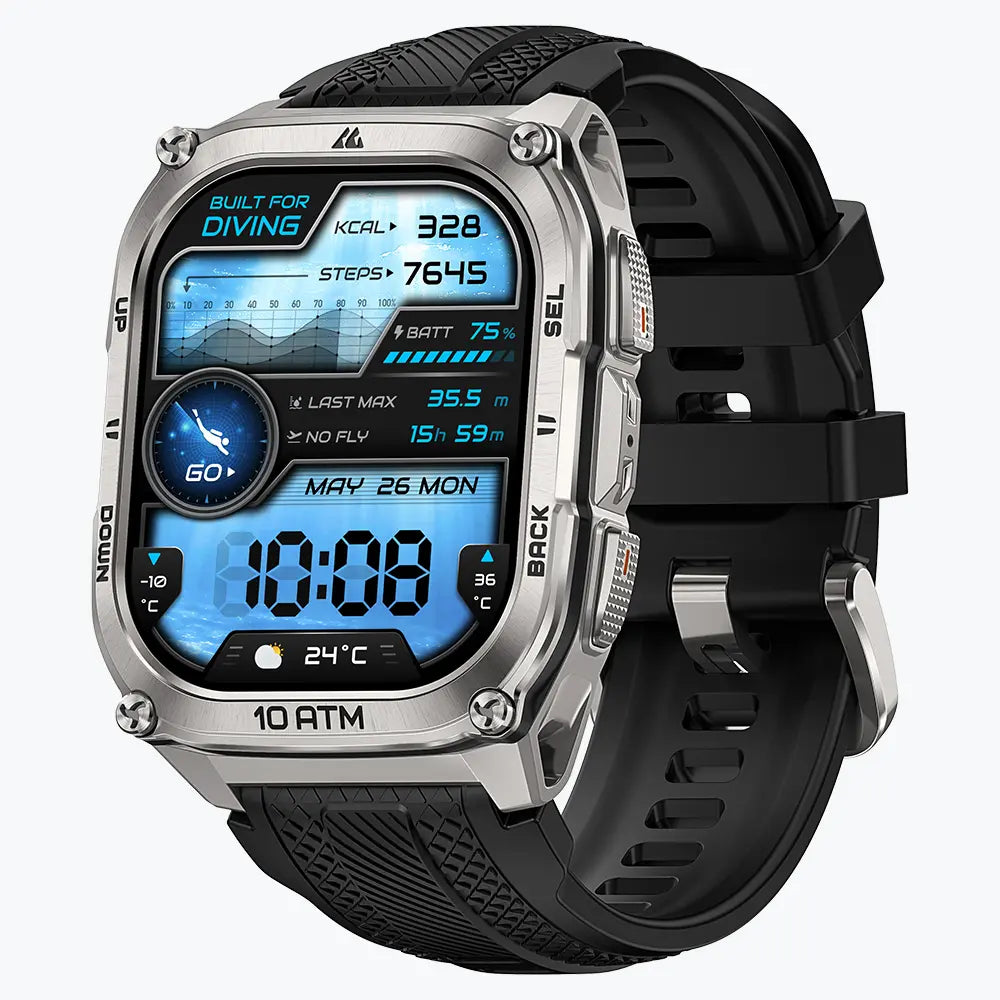
KOSPET TANK M4 Smartwatch
$209.99 USD
Between the two, the TANK T4 has a round display, while the TANK M4 uses a larger square display, so your preferred screen shape and wearing experience can guide the final choice.
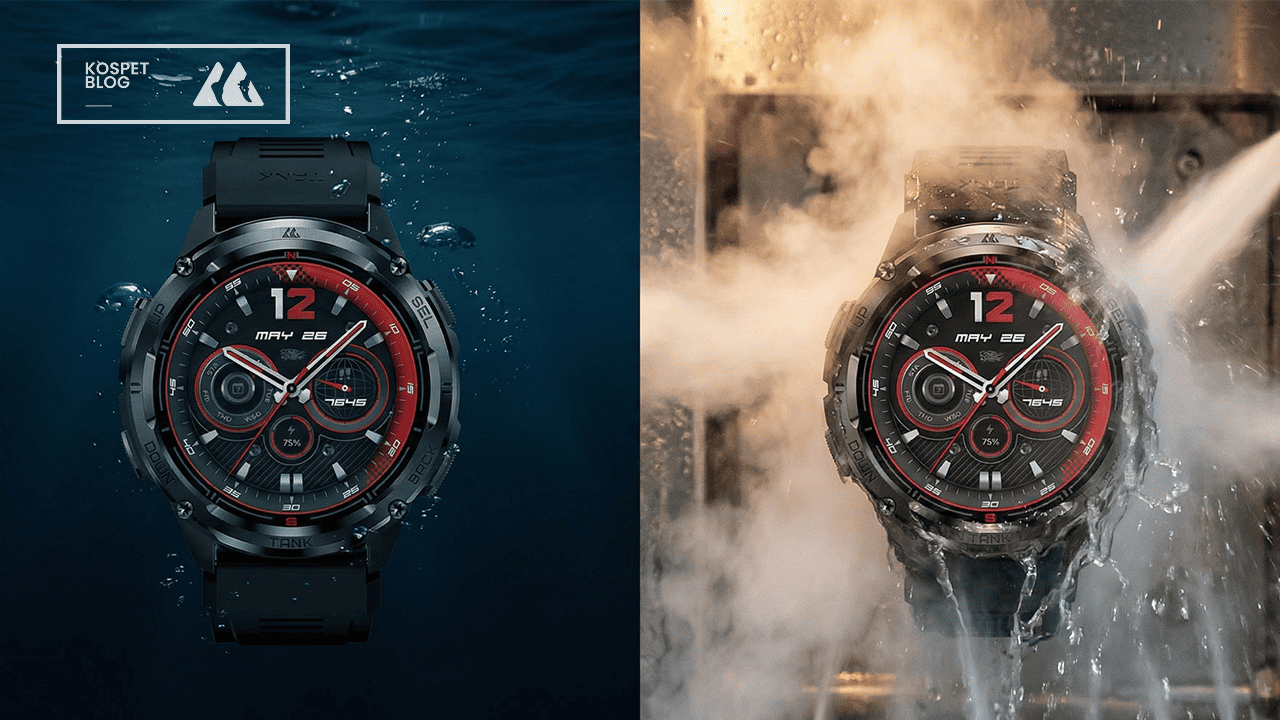
ATM and IP69K describe different forms of protection. ATM concerns resistance to specified water pressure, while IP69K concerns enclosure protection under defined dust and high-pressure, high-temperature water-jet tests. IP69K does not replace a diving specification.
How to Protect Your Smartwatch Around Water
- Inspect the case, glass and buttons for damage before swimming or diving.
- Enable Water Lock or the appropriate swim or dive mode when required.
- Do not press buttons underwater unless the manual explicitly permits it.
- After saltwater or chlorine exposure, rinse the watch gently with fresh water according to its care instructions.
- Dry the watch and strap thoroughly before charging.
- Avoid hot showers, saunas, steam rooms, soap and cleaning chemicals.
- Reassess water use after a hard impact, case repair or battery service.
Water resistance is not permanent. Proper care reduces risk, but it does not extend a watch beyond its published limits.
FAQs
Is 5ATM Enough for Swimming?
Usually, yes. A 5ATM smartwatch is generally sufficient for pool and surface swimming when swimming is included in its usage guidance.
Can I Swim in the Ocean With a 5ATM Smartwatch?
Some 5ATM smartwatches support shallow ocean swimming, while others do not. Check the instructions for the exact smartwatch rather than assuming that all 5ATM watches follow the same rules.
Does 10ATM Mean I Can Dive to 100 Meters?
No. The 100-meter figure describes a laboratory pressure equivalent, not a universal operating depth. Only use a smartwatch for diving when its product guidance supports that activity and provides a real depth limit.